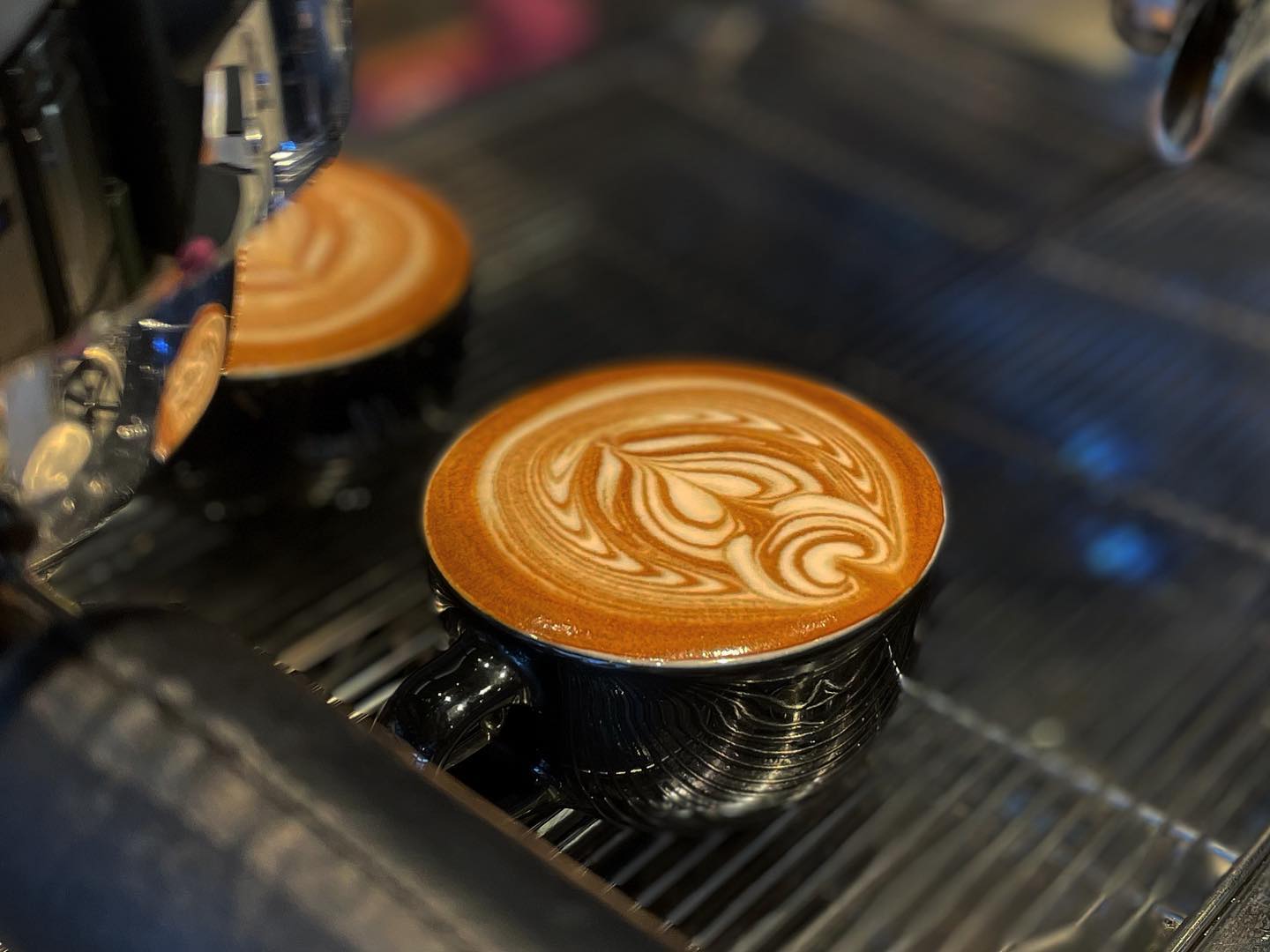
If you’ve ever wondered why your homemade coffee lacks that luxurious, creamy foam you enjoy at cafés, you’re not alone. Creating perfect milk foam may look like a barista-only skill, but with the right techniques, anyone can do it at home. Whether you’re making cappuccinos, lattes, or macchiatos, mastering foam elevates your coffee experience from ordinary to café-worthy.
What Makes Good Coffee Foam?
Before learning how to make foam, it helps to understand what creates it.
Milk foam is formed when air is incorporated into milk, creating tiny bubbles. The proteins in milk stabilize these bubbles, and the fat adds creaminess. This balance is what gives the foam its silky texture.
Why Milk Choice Matters
- Whole milk → produces thick, creamy foam
- Low-fat milk → creates lighter, airy foam
- Non-dairy milk (almond, oat, soy) → can foam well, but brands vary
Essential Tools You Can Use
You don’t need an espresso machine. Here are multiple ways to make foam:
1. Espresso Machine Steam Wand
The classic barista tool that gives the richest microfoam.
2. Handheld Milk Frother
Affordable, easy, and great for daily use.
3. French Press
Surprisingly effective—press the plunger repeatedly to generate foam.
4. Mason Jar Method
The simplest option: shake heated milk until it foams.
Step-by-Step: How to Make Perfect Milk Foam
Step 1: Choose and Heat Your Milk
Heat milk to 55–65°C (130–150°F).
Too hot → the foam collapses
Too cold → the milk won’t thicken
Warm the milk on the stove or microwave until comfortably hot but not boiling.
Step 2: Froth the Milk
Choose your method:
Using a Steam Wand
- Submerge the tip just under the surface.
- Turn on the steam to introduce air (“stretching”).
- Once the milk expands, sink the wand deeper to heat and create smooth microfoam.
- Stop at around 65°C.
Using a Handheld Frother
- Place the frother at the bottom of the cup.
- Turn it on and slowly raise it to the surface.
- Froth until milk doubles in volume.
Using a French Press
- Pour hot milk into the French press.
- Pump the plunger up and down rapidly.
- Continue until thick foam forms.
Using a Mason Jar
- Fill the jar halfway with warm milk.
- Close the lid tightly.
- Shake vigorously for 30–45 seconds.
- Optional: Microwave for 10–15 seconds to stabilize the foam.
Step 3: Pour the Foam onto Your Coffee
Tilt your mug slightly and pour the steamed milk first, then spoon the foam on top.
For latte art, gently swirl the milk to remove large bubbles before pouring.
Pro Tips for Better Coffee Foam
- Use cold milk to start — it foams more easily.
- Avoid overheating the milk; burnt milk won’t foam.
- Clean your tools — milk residue can ruin texture.
- Practice swirling the milk to eliminate big bubbles.
Common Mistakes to Avoid
❌ Using boiling milk
❌ Using old or previously frothed milk
❌ Holding the frother too close to the surface (creates big bubbles)
❌ Not aerating the milk enough
Final Thoughts
Making foam on coffee isn’t just a barista secret — it’s a simple home skill that transforms your morning drink into something special. With the right milk, temperature, and technique, you can craft silky, luxurious foam in just minutes.
Now your kitchen can feel like a mini café, and your coffee can finally look as good as it tastes!
FAQ’s
Milk may fail to foam if it’s overheated, too old, or lacks enough protein. Make sure the milk is fresh and heated only to 55–65°C (130–150°F). Also, whole or low-fat dairy milk generally foams better than some plant-based options.
Whole milk creates the richest, creamiest foam, while low-fat milk gives lighter, airier bubbles. For non-dairy options, oat milk and soy milk tend to foam the best, though results vary by brand.
Yes! You can use simple household tools like a French press, mason jar, or even a whisk. A mason jar method (shake warm milk for 30–45 seconds) is the easiest.
Use cold milk, avoid overheating, and introduce air gradually. Whole milk works best for creamy microfoam. If using a steam wand or frother, keep the tip just below the surface to create finer bubbles.
It usually takes 15–45 seconds, depending on the tool. Stop when the milk has expanded in volume and reached a velvety, smooth texture. Over-frothing can cause large bubbles and make the foam unstable.