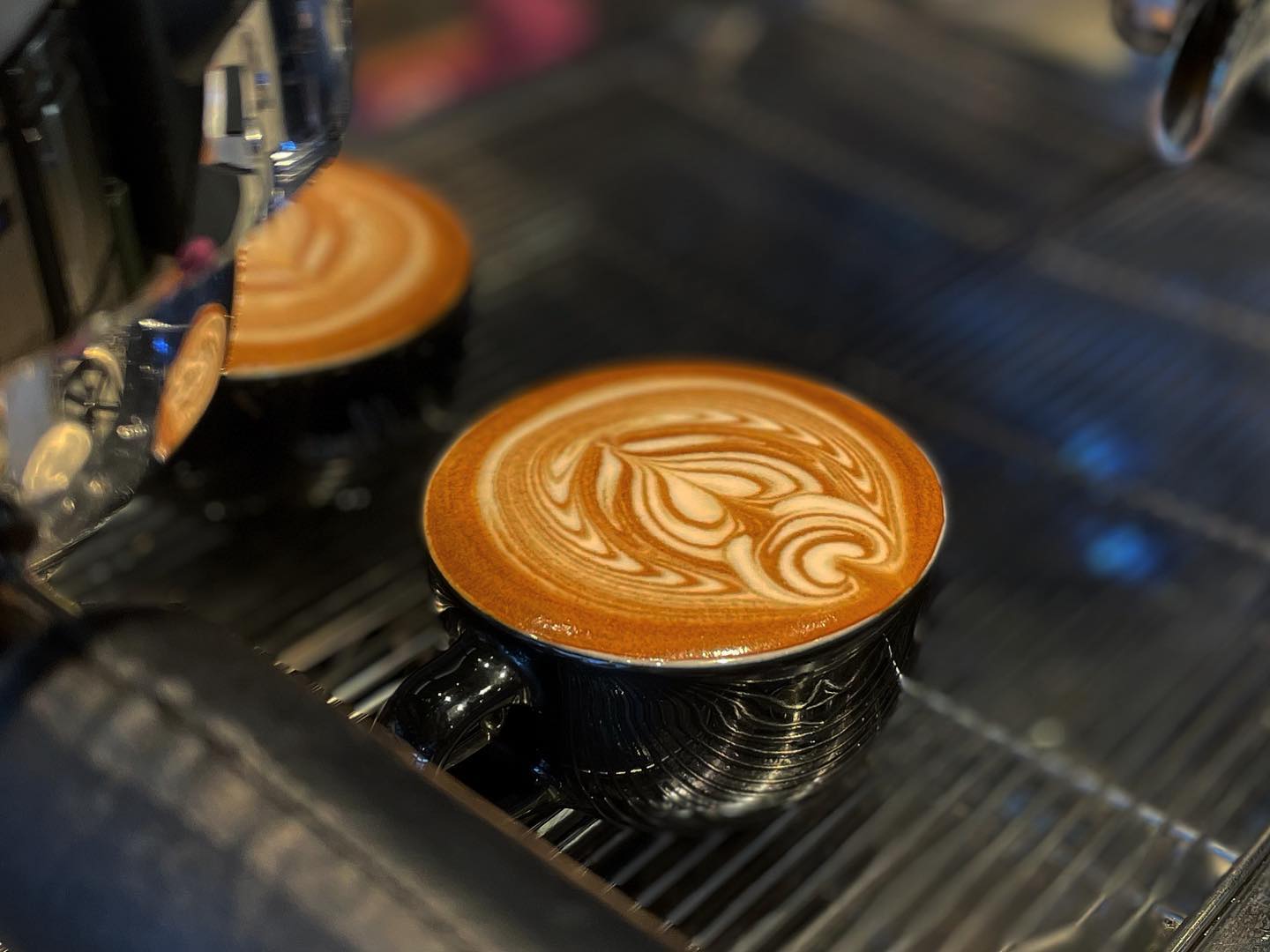
For many people, coffee is a daily ritual—comforting, energizing, and essential. But when that pleasant boost turns into a racing heart, shaky hands, anxiety, or restlessness, you’re likely dealing with coffee jitters. The good news? You don’t have to quit coffee entirely to feel better.
Understanding why coffee jitters happen—and how to stop them—can help you enjoy caffeine without the uncomfortable side effects.
What Are Coffee Jitters?
Coffee jitters are a group of symptoms caused by caffeine overstimulating the nervous system. Common signs include:
- Shaking or trembling
- Rapid heartbeat
- Nervousness or anxiety
- Sweating
- Difficulty concentrating
- Upset stomach
Caffeine blocks adenosine, a chemical that helps your body relax. When adenosine is suppressed, your brain becomes more alert—but too much caffeine can push your system into overdrive.
Why Coffee Affects People Differently
Not everyone reacts to caffeine the same way. Coffee jitters are more likely if you:
- Drink coffee on an empty stomach
- Consume too much caffeine too quickly
- Are sensitive to caffeine
- Are stressed, sleep-deprived, or dehydrated
- Have anxiety or heart conditions
Genetics also play a role—some people metabolize caffeine much slower than others.
How to Get Rid of Coffee Jitters Fast
1. Hydrate Immediately
Caffeine is mildly dehydrating, which can worsen jitters. Drinking water helps dilute caffeine in your system and supports faster recovery.
Tip: Sip water steadily rather than chugging it.
2. Eat a Balanced Snack
Food helps slow caffeine absorption. Choose snacks that contain:
- Protein (nuts, yogurt, eggs)
- Complex carbs (whole grains, fruit)
- Healthy fats
Avoid sugary foods—they can intensify shakiness.
3. Move Your Body Gently
Light physical activity like walking or stretching can help burn off excess adrenaline and reduce restlessness. Avoid intense workouts, which may amplify jitters.
4. Practice Deep Breathing
Slow, controlled breathing calms the nervous system and reduces caffeine-induced anxiety.
Try this:
Inhale through your nose for 4 seconds → hold for 4 → exhale slowly for 6–8 seconds. Repeat for several minutes.
5. Avoid More Caffeine
This sounds obvious, but it’s crucial. Skip energy drinks, tea, chocolate, or pre-workout supplements until symptoms pass.
How Long Do Coffee Jitters Last?
Caffeine’s effects can last 4–6 hours, and sometimes longer. Jitters usually fade as caffeine is metabolized, but hydration, food, and relaxation can significantly speed up relief.
How to Prevent Coffee Jitters in the Future
Choose the Right Amount
Most adults tolerate up to 400 mg of caffeine per day, but many people need far less. Listen to your body.
Never Drink Coffee on an Empty Stomach
Pair coffee with breakfast or a snack to reduce rapid caffeine absorption.
Switch to Lower-Caffeine Options
Try:
- Half-caf or decaf coffee
- Cold brew (often less acidic)
- Green tea or matcha
Slow Down Your Sipping
Drinking coffee slowly gives your body time to adjust and prevents sudden caffeine spikes.
Improve Sleep and Stress Levels
Lack of sleep and chronic stress make caffeine side effects worse. Better rest often means fewer jitters—even with the same amount of coffee.
When Coffee Jitters Might Signal a Bigger Issue
If you experience severe symptoms like chest pain, extreme anxiety, dizziness, or heart palpitations—even with small amounts of caffeine—it’s best to consult a healthcare professional. You may have caffeine sensitivity or an underlying condition.
The Bottom Line
Coffee jitters don’t mean coffee is bad—they usually mean your body has had more caffeine than it can comfortably handle. With simple adjustments like eating before coffee, staying hydrated, and choosing the right dose, you can enjoy your favorite brew without the shakes.
Coffee should energize you—not overwhelm you.
Frequently Asked Questions (FAQs)
Coffee jitters typically last 1 to 4 hours, depending on how much caffeine you consumed and how sensitive your body is. In some people, effects can last longer.
Yes. Drinking water can help reduce jitters by counteracting caffeine’s dehydrating effects and supporting your body as it metabolizes caffeine more efficiently.
Some people are more sensitive to caffeine due to genetics, anxiety, lack of sleep, or drinking coffee on an empty stomach. Even small doses can trigger jitters in sensitive individuals.
Yes. Eating food—especially protein and complex carbohydrates—can slow caffeine absorption and stabilize blood sugar, helping jitters fade faster.
Not necessarily. You may simply need to reduce your intake, switch to lower-caffeine options, or change when and how you drink coffee. If jitters are severe or frequent, consult a healthcare professional.